
Run speed tests during the morning and then again during the evening.
If your speeds are much slower during peak hours, congestion is likely affecting your service.
You can use this helpful guide on how to test your nbn® speed.
By: Yomojo Editorial Team
Posted: 26 May 2026
Last Updated: 29 Jul 2026
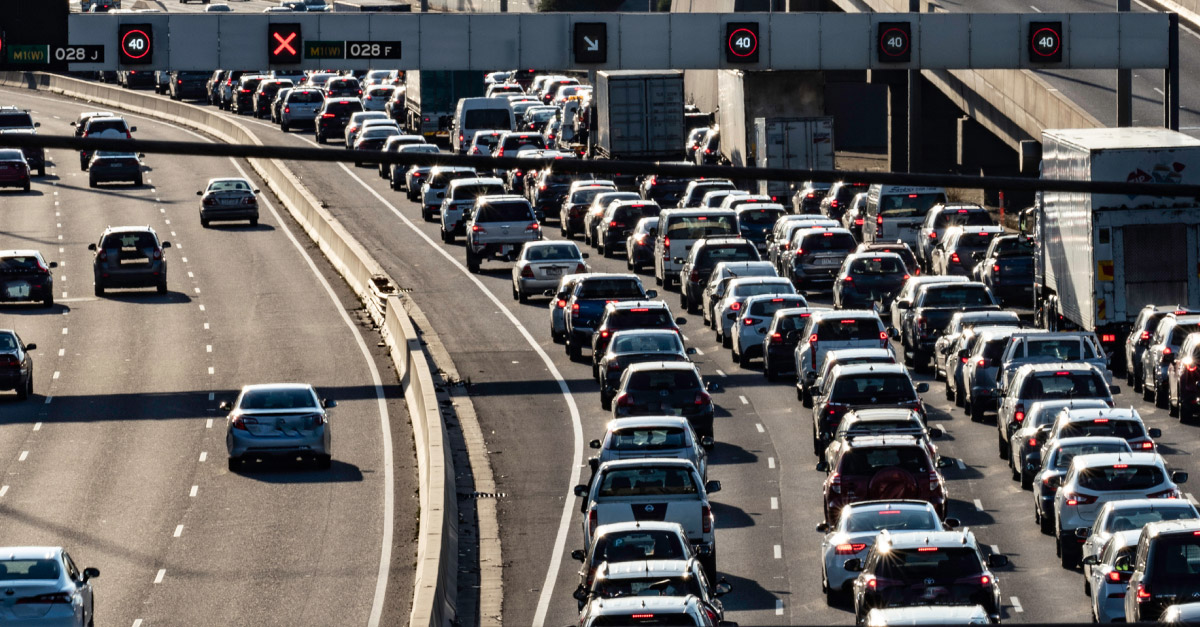
nbn® congestion happens when too many users are online at the same time, causing slower internet speeds. It is one of the most common reasons households experience buffering, lag, or slower downloads during busy evening hours.
Think of it like traffic on a motorway. When only a few cars are on the road, traffic moves smoothly. But when everyone tries to use the same road at once, everything slows down. The same thing can happen across shared internet infrastructure.
As more Australians stream videos, work remotely, game online, and use smart home devices, internet demand continues to grow. According to the ACCC, broadband performance can vary during busy evening periods because of network demand and provider capacity.
Congestion usually happens during peak internet usage times.
In Australia, the busiest period is typically between 7pm and 11pm when households are:
· streaming movies and TV shows
· gaming online
· using video calls
· browsing social media
· downloading large files
Weekends and public holidays can also increase internet demand.
If your internet mainly slows down during the evening, congestion is often the cause.
You can learn more in this blog on peak vs off-peak nbn® speeds.
Some of the most common signs include:
· slow internet at night
· buffering while streaming
· lag during online gaming
· inconsistent download speeds
· video calls freezing or dropping
· websites loading slowly during busy periods
If your internet only becomes slow at certain times of day, congestion is often the likely explanation.
You can also explore other possible causes in this blog on why your nbn® may be slow.
Before assuming congestion is the issue, it helps to test your connection properly.
Run speed tests during the morning and then again during the evening.
If your speeds are much slower during peak hours, congestion is likely affecting your service.
You can use this helpful guide on how to test your nbn® speed.
Wi-Fi problems can sometimes look similar to congestion.
Connect a device directly to your modem using an Ethernet cable and compare results.
If speeds improve significantly on Ethernet, the issue may be related to Wi-Fi interference rather than network congestion.
Not every slowdown is caused by congestion.
Problem | Typical Pattern |
|---|---|
Congestion | Slower mostly during peak hours |
Modem issues | Constant slow speeds all day |
Wi-Fi interference | Problems in certain rooms or distances |
Network faults | Only one device affected |
Device issues | Complete outages or major disruptions |
Older or low-quality hardware can also impact performance.
You can learn more in this blog on whether your modem affects internet speed.
For broader troubleshooting, visit this slow nbn® guide.
While congestion cannot always be eliminated entirely, there are several ways to reduce its impact.

Higher-speed plans can help households with multiple users and heavy internet activity.
If your household regularly streams, games, and works online simultaneously, upgrading to one of Yomojo’s home nbn® plans may improve performance during busy periods.
You can also compare options using this nbn® pricing guide.

Not all providers manage congestion equally.
Some providers invest more heavily in network capacity and traffic management, helping maintain more consistent speeds during peak hours.
When comparing providers, look for:
typical evening speed information
customer reviews
support quality
transparent plan details

If possible, schedule large downloads and updates during quieter periods.
Early mornings and daytime hours often experience lower network demand, resulting in faster performance.
Yes, your connection technology can influence performance.
According to nbn®, different technologies offer different capabilities and performance levels.
FTTP generally offers the best performance and handles higher speeds more effectively.
FTTN connections rely on older copper infrastructure, which can be more affected by distance and line quality.
You can compare technologies in this nbn® technology types guide.
This means some FTTN users may notice slowdowns more easily during busy periods.
Congestion can have a bigger impact on businesses.
For businesses relying on:
VoIP systems
cloud platforms
remote work
video meetings
online customer service
Slow internet can directly affect productivity and communication quality.
Businesses often benefit from higher-capacity services and reliable infrastructure.
Learn more about business nbn® solutions and how VoIP works on the nbn®.
nbn® congestion is a normal part of shared internet networks and usually happens when demand becomes very high during busy periods.
While it can be frustrating, understanding the causes can help you manage it more effectively.
In many cases, the right plan, a reliable provider, and a well-optimised home setup can significantly improve your internet experience.
If you are looking for flexible and reliable faster nbn® plans, Yomojo offers options designed for modern Australian households.
About this article
Written by
Yomojo Editorial Team
Reviewed by
James Linton, CEO, Yomojo
Published by
Yomojo
Editorial Standards
This article was created by the Yomojo Editorial Team and reviewed by subject matter experts to help ensure it is accurate, up to date and aligned with current Yomojo products and Australian telecommunications information.
As more Australians stream videos, work remotely, game online, and use smart home devices, internet demand continues to grow. According to the ACCC, broadband performance can vary during busy evening periods because of network demand and provider capacity.
Congestion usually happens during peak internet usage times.
In Australia, the busiest period is typically between 7pm and 11pm when households are:
· streaming movies and TV shows
· gaming online
· using video calls
· browsing social media
· downloading large files
Weekends and public holidays can also increase internet demand.
If your internet mainly slows down during the evening, congestion is often the cause.
You can learn more in this blog on peak vs off-peak nbn® speeds.
Some of the most common signs include:
· slow internet at night
· buffering while streaming
· lag during online gaming
· inconsistent download speeds
· video calls freezing or dropping
· websites loading slowly during busy periods
If your internet only becomes slow at certain times of day, congestion is often the likely explanation.
You can also explore other possible causes in this blog on why your nbn® may be slow.
Older or low-quality hardware can also impact performance.
You can learn more in this blog on whether your modem affects internet speed.
For broader troubleshooting, visit this slow nbn® guide.
Yes, your connection technology can influence performance.
According to nbn®, different technologies offer different capabilities and performance levels.
FTTP generally offers the best performance and handles higher speeds more effectively.
FTTN connections rely on older copper infrastructure, which can be more affected by distance and line quality.
You can compare technologies in this nbn® technology types guide.
Congestion can have a bigger impact on businesses.
For businesses relying on:
VoIP systems
cloud platforms
remote work
video meetings
online customer service
Slow internet can directly affect productivity and communication quality.
Businesses often benefit from higher-capacity services and reliable infrastructure.
Learn more about business nbn® solutions and how VoIP works on the nbn®.
nbn® congestion is a normal part of shared internet networks and usually happens when demand becomes very high during busy periods.
While it can be frustrating, understanding the causes can help you manage it more effectively.
In many cases, the right plan, a reliable provider, and a well-optimised home setup can significantly improve your internet experience.
If you are looking for flexible and reliable faster nbn® plans, Yomojo offers options designed for modern Australian households.
About this article
Written by
Yomojo Editorial Team
Reviewed by
James Linton, CEO, Yomojo
Published by
Yomojo
Editorial Standards
This article was created by the Yomojo Editorial Team and reviewed by subject matter experts to help ensure it is accurate, up to date and aligned with current Yomojo products and Australian telecommunications information.